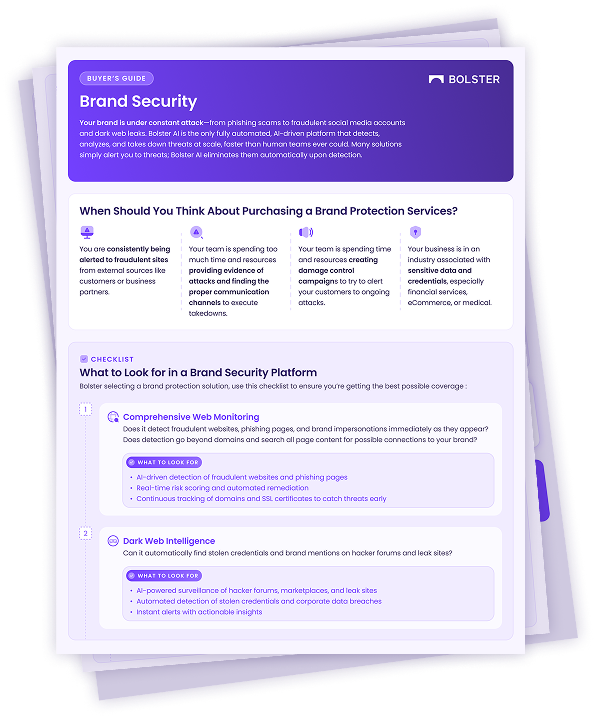
Brand security refers to the strategies and measures put in place to protect a company’s brand from unauthorized parties. This includes safeguarding against brand abuse, which involves the use of a company’s trademarks or logos without permission, and brand impersonation, where malicious actors mimic a brand’s online presence to deceive consumers.
Without effective brand security measures in place, companies risk reputational damage, loss of revenue, and legal liabilities resulting from fraudulent activities carried out under their name.
To mitigate these risks, companies must prioritize implementing comprehensive brand protection solutions as part of their overall IT security strategy.
Brand Security Strategies
Developing a comprehensive brand security plan can help organizations protect against unauthorized use of their intellectual property and mitigate reputational risks.
| Security Area | Specific Tasks | Importance |
|---|---|---|
| Secure Domain Hosting | Use reputable hosting providers, enable SSL/TLS, configure firewalls | Reduces the risk of domain takeover or spoofed websites |
| Social Media Monitoring | Monitor for fake accounts, logo misuse, and suspicious activity | Helps quickly detect impersonation and misleading content |
| Secure Transactions | Install SSL certificates, require two-factor authentication for key actions | Protects customer data and reduces fraud risk during online transactions |
| Employee Training | Educate on phishing, password hygiene, and proper brand asset usage | Addresses one of the most common attack vectors: human error |
| Reporting Culture | Encourage reporting of suspicious emails, incidents, and brand misuse | Improves time to detection and enables faster response |
| Brand Activity Monitoring | Use alerts and monitoring tools to track brand mentions and misuse | Limits reputational damage by catching issues early |
| Risk Assessments | Identify vulnerabilities, rate likelihood/impact, assign owners | Keeps your security posture current as threats and assets change |
| Password Policies | Enforce length/complexity, rotation, and prevent password reuse | Reduces credential stuffing and unauthorized account access |
| Two-Factor Authentication | Implement SMS, app-based, or biometric second factors; support SSO | Adds an extra barrier for attackers even if passwords are compromised |
| Secure Data Storage | Encrypt data in transit and at rest; implement role-based access; audit regularly | Protects sensitive information and supports compliance requirements |
Protect Your Brand Online
Implementing secure domain hosting practices, regularly monitoring social media accounts for fraudulent activity, and securing online transactions through encryption and other measures are key strategies to protect your brand online.
Implement Secure Domain Hosting Practices: Use reputable web hosting services that prioritize security protocols such as SSL/TLS certificates and firewalls.
Regularly Monitor Social Media Accounts for Fraudulent Activity: Keep an eye on all social media profiles connected to your brand. Be vigilant about unauthorized use of logos or trademarks that could mislead customers.
Secure Online Transactions Through Encryption & Other Measures: Install SSL certificates on your website to encrypt data sent between clients and servers. Provide two-factor authentication when possible for added security.
Train Employees on Brand Security
Providing regular cybersecurity training sessions to employees is essential in maintaining brand security. Employees need to be aware of the potential risks and threats that come with their daily work activities, including how to identify phishing attempts and maintain secure passwords. Additionally, establishing clear guidelines for proper use of company logos and branding materials can prevent unauthorized usage by third parties.
Encouraging employees to report any suspected security breaches or phishing attempts is also crucial in safeguarding your brand’s reputation. It promotes a culture of accountability within the organization, where everyone plays an active role in protecting sensitive information from cybercriminals.
- Regular cybersecurity training sessions
- Clear guidelines for proper use of branding materials
- Encourage reporting of suspected security breaches or phishing attempts
Monitor Brand Activity
Monitoring brand activity is crucial to maintaining the security and reputation of your company. Tracking customer feedback on social media platforms and other channels can provide valuable insights into how consumers perceive your brand, allowing you to address any issues or concerns promptly. Setting up alerts for suspicious activities related to your brand online can help detect potential threats early on, mitigating any damage they may cause.
In some cases, it may be necessary to hire a dedicated team or outsource monitoring services if needed.
Brand Security Best Practices
These best practices assist in staying vigilant against emerging threats, and keeping your company safe by protecting its reputation from harm.
Perform Regular Risk Assessments
Regular risk assessments help you understand where your brand is exposed. The process starts with spotting vulnerabilities, estimating how likely they are to be exploited, and deciding which ones demand attention right away. From there, you build a plan to reduce or remove those risks.
This only works if the assessments follow a consistent structure. Define how they’re carried out, who owns each part of the process, and who contributes input. A clear framework keeps the work repeatable and makes it easier to surface real weaknesses instead of guessing.
Establish Strong Password Policies
To ensure brand security, companies must establish strong password policies. Requiring complex passwords with minimum length and character requirements is a crucial step in preventing unauthorized access to sensitive information. Enforcing regular password changes also helps reduce the risk of a data breach by making it harder for hackers to crack passwords that may have been compromised.
Limiting password reuse across multiple platforms is another important aspect of establishing strong password policies. Many people use the same or similar passwords across several accounts, which makes them more vulnerable to cyber attacks.
Implement Two-Factor Authentication
Using secure authentication protocols is crucial for protecting your brand from security breaches. SMS and biometric verification are two reliable methods that can prevent unauthorized access to sensitive data. Additionally, offering alternatives to traditional username/password logins like single-sign-on options can enhance the security of your IT infrastructure. To ensure successful implementation of these measures, providing training on best practices for two-factor authentication usage should be a top priority for IT security professionals. With these safeguards in place, you can maintain the integrity of your brand and protect it against potential threats.
Ensure Secure Data Storage
Encrypt sensitive data both in transit and at rest. This prevents unauthorized access to your brand’s confidential information, ensuring that it remains secure no matter where it is stored or transmitted. It is essential for IT security professionals to implement encryption protocols that are current and robust enough to provide adequate protection against sophisticated cyberattacks.
Imposing strict access controls customized according to job roles will also help strengthen your brand’s security posture. Granting employees only the necessary level of access can prevent malicious actors from gaining entry into sensitive areas of your network. Regular auditing of data storage systems should be conducted as well, ensuring compliance with regulations while identifying potential vulnerabilities before they can be exploited by attackers seeking to harm your brand reputation.
How Bolster Can Help
Bolster’s domain monitoring solutions and other defensive strategies will ensure your company has true brand security. Bolster balances domain acquisition with monitoring to reduce the likelihood of cyberattacks and manage security costs.
Additionally, Bolster will remain proactive and monitor the security threat landscape to keep your domain safeguarded. With Bolster’s help, your brand’s reputation will remain protected.
Request a demo of our domain monitoring software today.