
Cybersquatting, a form of domain name abuse, refers to the act of registering or using a domain name in bad faith with the intention to profit from someone else’s trademark. It involves targeting various types of domains, including brand names, common misspellings, and variations thereof.
In some cases, cybersquatting is driven by bad faith intentions to disrupt a competitor’s online presence and cause reputation damage. By obtaining similar domain names to those used by established brands or businesses, individuals engage in abusive practices that confuse consumers and tarnish the targeted entity’s image.
Plus, there are instances where cybersquatting is motivated by revenge against specific individuals or brands. This form of malicious intent involves registering domains associated with these targets as a means of causing harm or seeking retribution for perceived grievances.
This malicious activity has significant repercussions for businesses as it can result in reputational damage and financial losses due to confusion among consumers and diversion of web traffic.
How to Prevent and Combat Cybersquatting
Protecting a brand’s online identity requires a combination of monitoring, legal action, and proactive brand protection practices. Cybersquatting prevention works best when security, legal, and brand teams follow a coordinated approach.
1. Monitor Domain Activity Continuously
Regular domain name monitoring is the backbone of cybersquatting prevention. Organizations track newly registered domains that resemble their own, watching for suspicious variations intended to mislead customers or siphon traffic. Automated tools scan the internet for lookalike registrations and issue reports on potential infringements. This level of surveillance gives companies early visibility into misuse before reputational damage occurs. Proactive scanning also helps identify emerging threats instead of waiting for trademark disputes to surface.
2. Use Legal Remedies to Reclaim Infringing Domains
Legal options provide a direct path to addressing confirmed cybersquatting. Cybersecurity laws and domain-related regulations give organizations the ability to pursue action against abusive registrants and recover infringing domains. Enforcing intellectual property rights communicates clear consequences, reducing the likelihood that additional actors will attempt to misuse the brand.
3. Strengthen Brand Protection Practices
A strong brand protection program reinforces domain monitoring and legal enforcement. Strengthen brand protection strategies and brand enforcement, such as securing core domains, registering trademarks, and maintaining accurate ownership records across domain portfolios. Trademark registration strengthens a company’s position in any enforcement process and deters opportunistic registrants. Ongoing social media monitoring also helps spot misuse of logos, names, or brand identity across public platforms where attackers often operate.
4. Apply Internal Safeguards and Education
Employee awareness is an often overlooked part of cybersquatting defense. Teams learn how to recognize suspicious domains, typosquatting variations, and phishing attempts staged through fraudulent websites. Customers benefit from similar education, reducing the risk of falling for spoofed pages built to capture credentials or payments.
5. Monitor and Enforce Regularly
Organizations reinforce their protection efforts by reviewing trademark databases, using automated monitoring tools to detect new risks, and taking swift enforcement action when needed. Timely escalation prevents small issues from evolving into larger reputational or financial harms.
6. Maintain Clear Lines of Communication
Dedicated reporting channels for suspected cybersquatting help organizations act quickly. Coordinating with industry partners and law-enforcement groups also improves intelligence sharing on emerging threats. Educating followers on social platforms adds another layer of protection by teaching users how to recognize counterfeit domains.
7. Leverage Automated Technology Solutions
Modern cybersecurity tools strengthen monitoring and detection. Automated systems identify typosquatting patterns and flag domains that attempt to mimic brand assets. Machine learning models sift through large datasets to find signals of suspicious activity. Domain monitoring services that provide real-time alerts help teams respond before malicious sites reach customers.
In Conclusion
Effective proactive monitoring and enforcement play a vital role in combating the growing threat of cybersquatting. By closely monitoring online platforms and swiftly taking action against infringing domains, organizations can protect their trademarks and intellectual property rights more effectively.
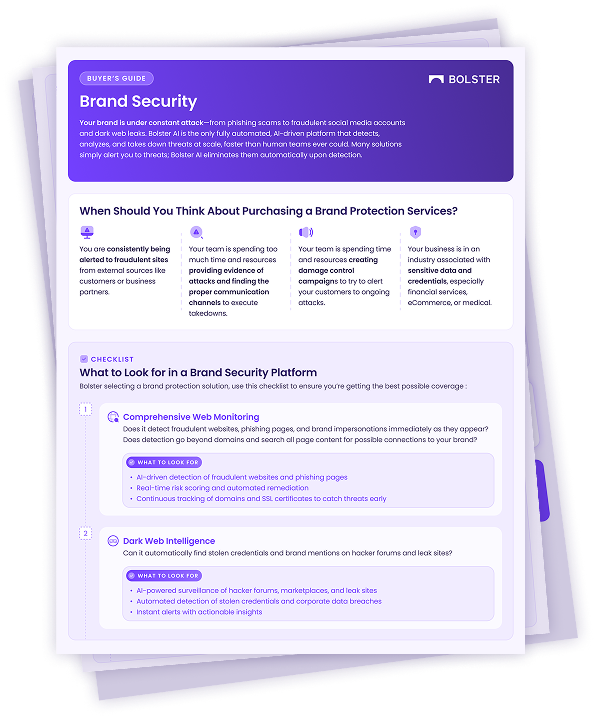
Advanced cybersecurity tools like Bolster automatically detect, prevent, and remediate phishing attacks. They also continuously monitor the open web, social media sites, app stores, and even the dark web to identify and mitigate many other types of threats.
Know more about Bolster’s industry-leading anti-phishing capabilities with a free demo. Click here to get started.