
The dark web is a hidden part of the internet that is not indexed by search engines and is often associated with illegal activities. Bad actors may post data breaches, phishing templates, and other potentially harmful collections on the dark web for profit.
Accessing the dark web directly instead of using dark web protection can expose users to numerous dangers threats, including:
1. Malware and Cyberattacks
The dark web is a breeding ground for cybercriminals who develop and distribute malware, ransomware, and other malicious tools. When accessing the dark web, users risk downloading these harmful programs unknowingly, putting their devices and networks at risk of compromise. Dark web protection lets you access these sites indirectly, protecting against accidental contamination.
2. Identity Theft and Fraud
Dark web marketplaces offer stolen personal information, including credit cards, social security numbers, and login credentials. By accessing or interacting with these marketplaces, individuals may inadvertently expose their own personal information, making them vulnerable to identity theft and subsequent financial fraud. Dark web protection scans these sites without exposing anything about your organization or the source of the scan.
Learn more about how to perform a dark web scan
3. Surveillance and Monitoring
Accessing the dark web raises the potential for surveillance and monitoring by law enforcement agencies and other threat actors. By exploring this hidden part of the internet, individuals may attract unwanted attention, leading to potential investigations or targeting by cybercriminals. With dark web protection, another entity safely searches for relevant information, keeping you from exposure.
4. Lack of Privacy and Anonymity
The dark web operates on encrypted networks that allow users to remain anonymous. However, users can still be traced through various means, such as the use of tracking software, surveillance techniques, or even social engineering. Accessing the dark web puts individuals at risk of having their online activities monitored and their identities exposed. Dark web protection ensures that you receive information about the threats relevant to your organization without exposure.
5. Compliance Risks and Legal Exposure
Legal and regulatory compliance requirements also necessitate monitoring of the dark web. Failure to comply with these regulations can result in hefty fines or even legal action against companies. Therefore, implementing proactive measures such as dark web monitoring protects businesses and ensures regulatory compliance. Google’s recent data breach exemplifies the necessity of monitoring the dark web for early threat detection to prevent financial loss and reputational damage.
Steps for Dark Web Protection
Here are some key actions you should consider to protect against dark web threats:
1. Use strong and unique passwords
2. Keep your software up to date
3. Install a reliable antivirus software
4. Exercise caution when browsing
5. Enable a firewall
6. Secure your network
7. Be cautious with your personal information
8. Regularly back up your data
9. Stay informed about the latest cybersecurity threats and best practices
10. Use a reputable and secure browser
11. Avoid accessing the dark web altogether
How Bolster Helps
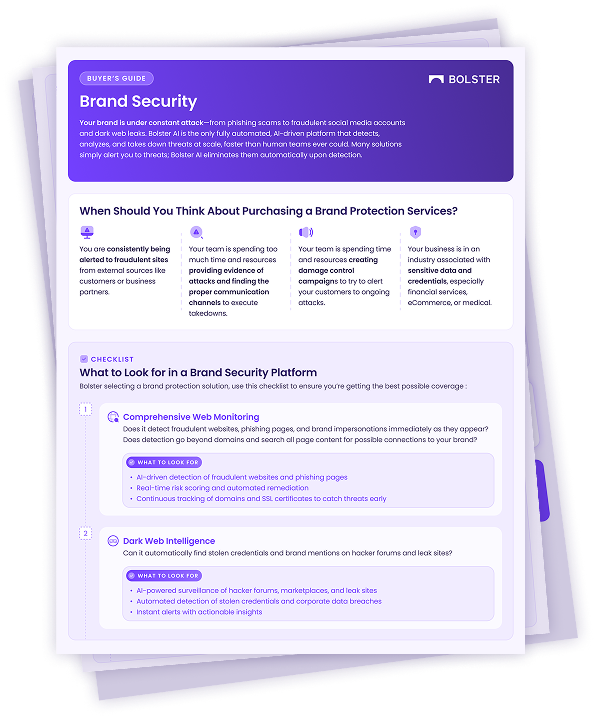
Consider implementing a dark web monitoring solution, like Bolster. Monitoring the dark web for data relevant to your organization, such as email addresses and credit card numbers, can stop threats before they do damage to your business and brand.
Learn more dark web threat intelligence
Bolster combines threat intelligence with a dark web scanner and takedown support to provide comprehensive dark web protection. Contact us for a demo.